Summary
Mastering place setting etiquette with linens requires understanding the proper use of tablecloths, napkins, chargers, and runners to create elegant, functional table settings for weddings and formal events. Floor-length white or ivory tablecloths provide the refined foundation for formal dining, while linen napkins should be placed centered on the dinner plate, to the left of forks, or atop charger plates, depending on the formality level. Table runners add visual interest when layered carefully without crowding guest space, and chargers coordinate with linens to frame each place setting with depth and sophistication. When planning weddings and formal celebrations, choosing etiquette-approved tablecloths, napkins, runners, and coordinating pieces ensures your tables look polished, cohesive, and professionally styled from the first course to the last.
Creating a beautifully set table is about more than aesthetics. Table setting is also about etiquette. If you’re planning a wedding, hosting a formal dinner, or styling tables for a special event, understanding place setting etiquette creates tablescapes that are both elegant and functional.
Linens play an important role in proper table presentation. From tablecloths and runners to napkins and chargers, the right linens provide structure, harmony, and visual balance. This guide breaks down the essentials of table setting etiquette and explains how to use linens correctly for weddings and formal events.
Our Products


Table Runners
Tablecloths
Napkins
Why Place Setting Etiquette Still Matters
In today’s event styling, trends come and go, but etiquette remains a foundation of refined table design. Proper place settings help guests feel comfortable and welcomed. Set up your space to make guests feel welcome as you celebrate.
The right table setting creates a polished look and an intentional vibe to your dining tables. Not to mention, it helps make meal service so much easier for you or for your caterers.
For weddings and upscale celebrations, thoughtfully chosen place setting linens create a professional finish. Craft a memorable dining experience while maintaining time-honored dining standards.
The Basics of Place Setting Etiquette
Before introducing linens, it’s important to understand the basic structure of a place setting. At its core, table etiquette prioritizes function and flow.
A standard place setting includes a dinner plate (or charger plate) at the center. Forks are placed to the left, while knives and spoons are placed to the right. Glassware is positioned above the knife.
Formal place settings may include additional utensils, but the guiding principle of how to set the table remains the same: items are arranged in the order they are used, from the outside in.
The Role of Linens in Place Setting Etiquette
Linens are the foundation that brings structure and cohesion to the table. In formal and wedding settings, linens are essential.
Tablecloths

Tablecloths provide a clean base for place settings and help unify the overall look. They also conceal table legs and create a more refined presentation, especially for weddings and large receptions.
Table Runners

Table runners add visual interest and are often layered over tablecloths. While decorative, they should never interfere with place settings or crowd guest space.
Napkins

Napkins are both functional and symbolic of formality. Linen napkins, in particular, are a hallmark of elegant table settings and remain the standard for weddings.
Choosing the Right Tablecloth for Proper Etiquette
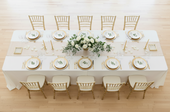
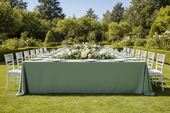
When it comes to table linens for weddings, tablecloth length and fabric matter. For formal events, floor-length tablecloths are preferred. For semi-formal events, a standard 6–12 inch drop is acceptable. For casual get-togethers, shorter drops or exposed tables may be appropriate.
Neutral colors like white, ivory, and champagne remain timeless, while textured or satin finishes add subtle sophistication without overpowering the table.
Napkin Placement and Folding Etiquette
Napkins are a focal point of any place setting and must be placed correctly to align with etiquette standards.
There are different proper napkin placements you can choose from. You can opt to place your table napkins centered on the dinner plate or charger. Napkins may also be placed to the left of the forks. For formal events, napkins may also be placed on top of the charger plates.
Simple folds are preferred for formal settings. While decorative folds can be visually appealing, etiquette favors restraint and elegance over overly elaborate designs.
Charger Plates and Linens: Proper Coordination
Charger plates are commonly used in formal and wedding receptions to frame the place setting and to help avoid spills.
Generally, charger plates should sit beneath the dinner plate. Make sure they coordinate with tablecloths and runners. Chargers are typically removed before the main course is served
When paired with refined linens, chargers add depth and formality without disrupting the flow of the table.
Layering Linens Without Breaking Etiquette Rules
Layering is a popular styling technique, but it must be done carefully.
For etiquette-friendly layering, opt to use table runners sparingly to avoid crowding. Make sure your napkins and place settings remain clearly defined. Above all, avoid mixing too many textures or bold patterns. The goal is to enhance the table, not distract from the dining experience. Opt for simple linens with accent pieces or one textured layer.
Place Setting Etiquette for Weddings
Wedding receptions often include multiple table types, each with its own styling considerations.
For guest tables, make sure to prioritize consistency and comfort. For head tables or sweetheart tables, choose elevated linens and layering. Head tables are usually the focal point of parties. This gives you the freedom to craft eye-catching table settings. For dessert or display tables, you can experiment with different table linens. Slight variations are acceptable, but should remain cohesive.
Linens should coordinate seamlessly with other decor elements, including chair covers and chair sashes, to create a unified reception space.
Coordinating Place Settings With the Rest of the Event Decor
A well-styled table should complement the overall venue design. Place settings often work in harmony when paired well with the rest of the party decor.
Consider crafting complementary event backdrops behind head tables. You can add layers by using wedding arch drapery that gives off a touch of subtle elegance. For a hint of natural charm, you can opt to use floral backdrop walls, perfect for garden-inspired wedding parties.
When linens align with these elements, the event feels intentional and professionally designed.
Common Place Setting Mistakes to Avoid
Even beautiful linens can fall short if etiquette is overlooked. Common mistakes include using tablecloths that are too short or uneven. Make sure you get the right tablecloth size for your tables. For formal parties, a full floor-length drop is best. For casual parties, a shorter drop is acceptable.
Avoid overcrowded place settings. Don’t prioritize decor over guest comfort. It’s best to set simple yet elegant table settings that allow ample space for your guests to dine in comfort.
Try to avoid placing table napkins inconsistently. Choose a table napkin placement and use it for all your guests.
Avoid these errors and follow our top tips for table setting to ensure your tables look refined and function smoothly.
Elegant Tables Start With Etiquette
Understanding table setting etiquette helps transform linens from simple decor into essential design elements. From tablecloth selection to napkin placement, every detail contributes to a polished and welcoming dining experience.
If you’re styling a wedding or a formal celebration, thoughtfully chosen place setting linens ensure your tables look elegant, cohesive, and etiquette-approved.