Summary
Creating a cohesive linen look across the ceremony and reception spaces does not mean making both areas identical. Each space serves a different purpose, and the design should reflect that. Cohesion comes from maintaining a consistent foundation while allowing the styling to evolve from one space to another. With the right approach to color, fabric, and layering, linens can create a smooth visual transition that makes the entire event feel connected and intentional.
Our Products


Tablecloths
Chair Covers
Pipes & Drapes
Quick Answer
- Use the same base linen color and fabric across both spaces
- Build a consistent color palette that carries through the event
- Repeat key linen elements to create a visual connection
- Adjust styling to match the function of each space
A cohesive linen look across the ceremony and reception spaces is achieved by keeping the foundation consistent while changing how it is styled in each setting.
Why Cohesion Across Ceremony and Reception Spaces Matters

When guests move from ceremony to reception, their visual experience of the event continues. Linens that feel disconnected between spaces create a subtle but noticeable sense that the event lacks a unified design vision. A cohesive linen look signals attention to detail and creates a more immersive, memorable guest experience from the first seat to the last course.
Why Ceremony and Reception Do Not Need to Match Exactly
Trying to make the ceremony and reception look identical often results in a design that feels flat and repetitive. These two parts of an event serve different roles, and the linen styling should support that distinction. The ceremony is usually more focused and minimal, while the reception allows for more detail and layering.
Instead of duplicating the same setup, it is more effective to create a sense of progression. When the design evolves from ceremony to reception, it feels intentional rather than repetitive. This approach gives each space its own identity while still maintaining a connection between them.
Start with a Consistent Base Linen


The base linen is what ties both spaces together. Using the same tablecloth color across the ceremony and reception creates a strong visual foundation that carries through the event. This consistency helps everything feel connected, even when other elements change.

Fabric choice also plays a role. Keeping the same material or finish across both spaces ensures that the linens look and feel aligned. When the base is consistent, it becomes much easier to introduce variation through styling without losing cohesion.
Build a Shared Color Palette

A cohesive look starts with a clear set of colors that will appear across both the ceremony and reception. Instead of choosing multiple unrelated shades, limit the palette to two or three main colors that can be repeated in different ways. This keeps the design controlled while still allowing variation between spaces.
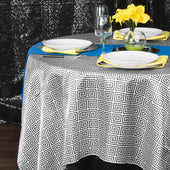
For example, a palette of ivory, champagne, and soft sage green works well because it blends warmth and softness without becoming overpowering. Ivory can be used as the base tablecloth in both spaces, champagne can appear in runners or overlays, and sage green can be introduced through napkins or subtle accents. Another strong combination is white, charcoal, and muted dusty blue, which creates a more modern and structured look while still feeling cohesive from ceremony to reception.
Use Linens to Create Visual Flow
Linens act as one of the most reliable ways to connect separate spaces because they are repeated throughout the event. When the same base tablecloth color appears in both the ceremony and reception, it creates an immediate visual link that carries across the entire setup. This repetition helps establish familiarity, even when the layout and styling change.
Table runners and napkins can then be used to reinforce that connection without making the spaces look identical. For example, a runner used sparingly in the ceremony can appear more prominently in the reception, while napkins can carry the same accent color across both areas. These small but repeated elements guide the eye naturally from one space to another.
What matters most is consistency in application. When the same colors and materials are used with intention, the transition between spaces feels smooth rather than abrupt. Guests may not consciously notice the repetition, but they will recognize that everything feels connected.
Style Each Space Differently While Staying Connected
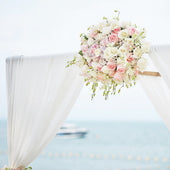
The ceremony space benefits from a lighter and more restrained approach. Minimal layering, soft accents, and a clean presentation keep the focus on the moment itself. Linens in this space should support the setting without competing for attention, which often means using the base color with only subtle additions.
The reception allows for a more developed and detailed look. This is where runners, textured napkins, and layered elements can be introduced more fully. The same colors used in the ceremony can be applied in a more visible way, creating depth and visual interest without breaking the connection between spaces.
The difference between the two spaces should feel like a progression rather than a reset. When the same base linens and colors are carried through but styled with more detail in the reception, the entire event feels more intentional and cohesive.
Coordinate Beyond Tables
Tables are only one part of the overall setup, and cohesion becomes stronger when linens extend into other areas of the space. Chair covers and sashes can reinforce the same color palette used on the tables, helping tie the seating area into the overall design. When these elements match or complement the linens, the space feels more unified.
Ceremony elements such as aisle accents or fabric details can also reflect the same colors and materials. Even simple touches, like fabric draping or subtle accents, help establish continuity before guests even reach the reception area. These details make the transition between spaces feel more deliberate.
Drape backdrops can further connect the environment by carrying the same tones and fabric style into focal areas. When the same materials appear across tables, chairs, and larger design elements, the entire venue feels coordinated rather than divided into separate sections.
Common Mistakes That Break Visual Cohesion
Inconsistent drape lengths. Floor-length tablecloths in the reception paired with shorter drapes on ceremony tables create an immediate visual disconnect. Commit to a consistent drape approach across both spaces or make the difference intentional and clearly styled.
Clashing accent colors. Introducing an accent color in the reception that did not appear anywhere in the ceremony feels abrupt. Every color in the reception should have at least a subtle reference point in the ceremony space.
Mismatched finishes without logic. A sequin overlay in the reception that has no finish relationship to anything in the ceremony feels like a last-minute addition rather than a deliberate design choice. Every finish choice should connect back to something established earlier in the event.
Ignoring the transition spaces. Hallways, foyers, and cocktail hour spaces between the ceremony and reception are often overlooked in linen planning. A simple linen element in these transitional spaces, even just a draped table or a consistent napkin color at a cocktail station, helps maintain the visual thread as guests move through the venue.
The Bottom Line
A cohesive linen look across ceremony and reception spaces is built on consistency and intentional variation. The base elements should remain the same, while styling is adjusted to suit each part of the event. This balance allows both spaces to feel distinct while still being part of the same overall design.
When linens are planned with this approach, the transition from ceremony to reception feels natural. The result is an event that looks connected, polished, and thoughtfully designed from start to finish.
Frequently Asked Questions
Do ceremony and reception linens have to match?
No. Coordinated is more effective than identical. Share a base color and accent palette across both spaces and style each one differently based on its function while keeping the overall color story consistent.
How do I create a consistent linen look across a wedding venue?
Start with one base color that anchors both spaces. Choose one or two accent colors that appear in both the ceremony and reception in different ways. Keep your total color palette to three colors maximum, including the base.
Can you mix linen colors between the ceremony and reception?
Yes, as long as the colors are part of the same deliberate palette. Every color in the reception should have a reference point in the ceremony space so the transition feels connected rather than abrupt.
How do you create a cohesive event look?
Focus on consistency in color, fabric, and key design elements while allowing each space to have its own variation.
What colors work best for both spaces?
Neutral tones and soft, muted colors tend to transition well and maintain a consistent look.
How do I style linens differently in the ceremony and reception without losing cohesion?
Keep the base color consistent and change the layering and accent styling between spaces. Ceremony linens should be minimal and focused, while reception linens can be more layered and detailed. The color story connects them even when the styling approach differs.