Summary
Mixing artificial and fresh flowers is a smart way to style floral arrangements while staying on budget. It lets you enjoy the realism of fresh blooms with the cost-saving and reusable benefits of faux options. Explore our full selection of artificial flowers to build your event designs with confidence.
Our Products


Artificial Flowers
Centerpieces
Table Runners
Event designers often face a tricky balance between style, cost, and logistics. One creative solution that offers the best of all worlds is mixing artificial and fresh flowers in arrangements. Done right, this combination not only looks seamless but also offers longevity, affordability, and versatility.
Whether you’re planning a wedding, photo shoot, or special celebration, blending faux and real blooms can help you achieve stunning designs without exceeding your floral budget.
When planning your reception setup, adding chair covers for wedding can help create a polished, cohesive look.
Why Combine Artificial and Fresh Flowers?
Blending artificial and fresh flowers is not just about saving money. It’s also a strategic choice for aesthetic and practical reasons:


1. Cost Efficiency
Fresh flowers can be expensive, especially if you’re using rare or seasonal blooms. Artificial versions allow you to replicate the look for less.
2. Design Control
Artificial flowers retain their shape and color, making them ideal for installations that need to be set up in advance. You can style key areas early, then add fresh touches on event day.
To enhance your floral installations, use a bold red tablecloth as a vibrant base that complements the lasting beauty of artificial arrangements.
3. Durability in Harsh Conditions
For outdoor events in hot or dry climates, artificial flowers are less likely to wilt. They’re perfect for backdrops, arches, or aisle markers that sit in direct sunlight.
4. Extended Availability
Faux flowers are available year-round, giving you the ability to use your favorite blooms even if they’re out of season.
5. Reusability
After your event, artificial elements can be reused, resold, or repurposed for another celebration.
Tips for Blending Faux and Fresh Florals
To make this combination look natural and intentional, here are a few professional tips:
1. Use Real Flowers in High-Interaction Areas
Place fresh blooms in places guests will smell or touch, like centerpieces or bouquets. Save artificial flowers for larger installations or areas out of reach.
2. Match Color and Petal Types Carefully
Choose artificial flowers that closely match the shade, petal texture, and bloom shape of the fresh ones you’ll be using. Avoid plastic-like finishes or unnatural hues.
3. Add Foliage for a Seamless Look
Greenery helps fill gaps and unify the design. Mixing faux and fresh greenery can soften transitions between the two flower types and create a cohesive style.
4. Work in Layers
Build arrangements by layering the artificial base first, then inserting real blooms last. This preserves freshness and ensures easy removal if needed.
5. Mist Everything for Consistency
A light misting over the final arrangement can add a natural dew effect, helping faux petals blend in better with real ones.
6. Stick to Odd Numbers
When inserting fresh blooms, place them in odd-numbered groupings. This creates a more organic and asymmetrical appearance.
7. Choose a Common Color Theme
Using a consistent color palette across both types of flowers avoids visual clashes and keeps the arrangement looking intentional.
Best Use Cases for Mixing Flowers
Mixing faux and fresh flowers works best in the following event scenarios:
- Wedding Arches & Backdrops: Use faux flowers for structure and add fresh accent blooms the day of.
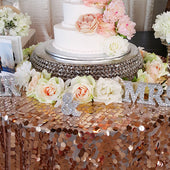
- Floral Centerpieces: Create a base of faux florals and tuck in fresh stems closer to the reception time.
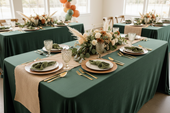
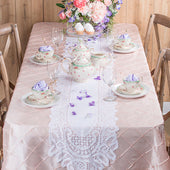
- Floral Runners or Garlands: Line banquet tables with artificial greenery, then weave in real roses or peonies.
- Photo Booth Installations: Faux florals add volume and durability, while fresh ones boost realism for close-up shots.
Design Tip: Start with Artificial, Layer in Fresh
When designing your arrangements, begin with artificial flowers to create shape and fullness. Once your event is closer, insert fresh florals into the pre-made base. This helps maintain flower freshness and minimizes last-minute setup time.
This technique also makes transport and storage much easier, especially for destination weddings or multi-day events.
FAQ: Mixing Artificial and Real Flowers
Can people tell the difference between real and fake flowers?
If chosen carefully, high-quality artificial flowers can be difficult to distinguish from real ones, especially when blended in arrangements. Placement, lighting, and petal quality are key.
How do I store arrangements that combine both types?
Keep the artificial base intact and store it in a cool, dry area. Fresh flowers should be removed and discarded or replaced for future events.
What types of artificial flowers look the most realistic?
Silk flowers, foam flowers, and real-touch latex varieties offer the most natural look. Avoid low-end plastic styles for formal events.