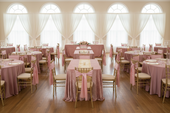
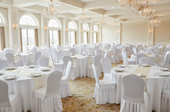
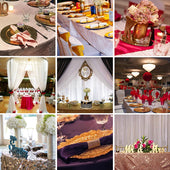
Mixing and matching table linens isn’t just about colors. It’s about creating texture, contrast, and personality in your tablescape. Whether you’re planning a wedding, corporate event, or casual dinner, mastering this balance can instantly elevate the overall look.
Here are five expert tips to help you combine your tablecloths, napkins, runners, and overlays in a way that feels intentional and stylish.


1. Choose a Focal Point First
Begin with your main piece, and it’s usually the tablecloth. This will ground your tablescape and set the tone. If you’re going with a patterned tablecloth, opt for subtle textures in your overlays or napkins. If your base is a solid color, you can get more creative with other layers.
For 2025, popular base hues include ivory, taupe, and bold jewel tones like emerald and navy.
2. Layer with Contrasting or Complementary Overlays
Add visual depth by placing table overlays or runners over your base linen. Sheer, sequin, or patterned overlays can bring sparkle and movement to a flat table setting. A sheer organza overlay adds softness, while sequins bring in light and shine.
Avoid layering linens that are too similar in texture or color. High contrast brings more impact than slightly mismatched tones.
3. Play with Napkin Color and Placement
Your napkins can serve as accent pieces. Try folding napkins into a pocket or a knot fold to create added dimension. Mixing napkin textures (like pairing velvet with polyester) is a subtle but effective way to make the place setting feel richer.
When considering how to match napkins with tablecloths, think in terms of complementary contrast. For example, a deep navy napkin over a champagne tablecloth adds a pop without clashing.
4. Stick to a Color Palette
Coordinating table linen colors is much easier when you choose a defined palette of 2 to 3 main colors and 1–2 accents. Use tools like color wheels or Pinterest mood boards to visualize your options.
For example, blending dusty rose, blush, and gold creates a romantic setting, while black, white, and emerald give a modern and dramatic feel.
5. Add Textures Thoughtfully
Mixing textures can be just as important as mixing colors. Pair a polyester tablecloth with a lace overlay or use crinkle taffeta napkins with a satin runner. The tactile contrast makes your setup more dynamic.
Texture combinations work best when balanced. Be careful not to overload every element. Keep some smooth, some rough, and one that shines.
How to Choose Napkin and Tablecloth Combinations
- Soft neutrals like blush or ivory napkins work best with bold tablecloths.
- Patterned napkins pair well with solid linens to avoid clashing.
- Dark napkins create visual weight and are ideal for formal settings.
FAQs About Mixing Table Linens
How to match a tablecloth?
Start with the event’s color scheme or theme. Choose a tablecloth that complements the venue, lighting, and floral decor. Use overlays and napkins for contrast or color accents.
How to layer tablecloths for a dining table?
Begin with a full-size tablecloth, then layer a runner or overlay across the center. Ensure each layer is ironed and hangs evenly to avoid visual clutter.
What is the best way to store table linens?
Fold linens neatly and store them in a cool, dry place. Avoid plastic containers. Use tissue paper between folds to minimize creases.
What should be considered when selecting table linens?
Consider the occasion, color palette, fabric type, and whether you want disposable or reusable linens. Also, check if your tables are round or rectangular.
What are the rules for laying a tablecloth?
The cloth should hang 6 to 15 inches over the table edge. Ensure it’s centered and wrinkle-free. Avoid overly long drops for seated meals.
What is the formula for tablecloth size?
Measure the length and width of your table, then add twice the desired drop length (typically 6–12 inches) to both dimensions. For round tables, measure diameter plus drop x2.