Summary
The hallmark of a luxury wedding design is no longer found in a single, perfectly matched color, but in the sophisticated interplay of varying textures. Creating a high-end wedding aesthetic requires a move away from "flat" design toward a multi-dimensional approach.
By layering fabrics with different weights and finishes designers can build a tablescape that feels curated and intentional. This guide explores fabric options such as matte velvet, airy cheesecloth, and structural jacquards. This explores how to leverage table linens to master the art of the mix, turning a standard reception into a sensory masterpiece.
Our Products


Chair Linens
Table Linens
Napkins
Quick Answer
To achieve a high-end look, follow the 3-layer texture rule:
- Start with a Foundation (a heavyweight, matte base cloth like polyester or velvet), add a Bridge (a contrasting runner or overlay in a different material), and finish with the Detail (a high-texture or embroidered napkin).
- Avoid mixing too many high-shine fabrics, which can look dated. Instead, pair a "rough" or organic texture, like stone-washed linen, with a "smooth" or refined texture, like satin, to create a sophisticated visual tension that looks stunning in professional photography.
Choosing a High-Impact Base for the Foundation

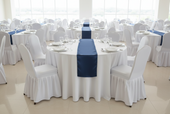
The first step in a high-end design is selecting tablecloths that provide a substantial foundation. For a luxury wedding, the base layer should have enough weight to drape elegantly to the floor without visible bunching.
When sourcing tablecloths wholesale, look for fabrics like matte heirloom velvet or heavy-weight "scuba" polyester. These materials offer a solid, non-reflective surface that serves as the perfect canvas for more delicate textures. A heavy base layer also provides acoustic benefits, dampening the sound of glassware and conversation to create a more intimate atmosphere.
The Middle Layer: Adding Dimension with Runners and Overlays

Where you place clips affects both security and fabric condition. Attaching clips to the very edge of a tablecloth rather than mid-fabric distributes tension more evenly and reduces stress on individual threads. Hem areas are reinforced during manufacturing, making them more resistant to clip pressure than the main fabric body.
Avoid placing clips in areas visible to guests. The underside of the table edge is the ideal location, keeping clips functional but out of sight. This also means any minor marks left by clips remain hidden throughout the event.
For table runners and table overlays, clips should be applied where the linen meets the table edge rather than on the decorative surface. Runners are narrower and more exposed than tablecloths, so clip placement requires more precision to avoid visible marking on the fabric face.
The Finishing Touch: Detail Textures in Napkins and Seating

The most intimate point of contact for a guest is the table napkin, making it the most important place to showcase premium texture. Sourcing table napkins in bulk allows you to experiment with high-end materials like fringed linen or embossed damask without breaking the budget.
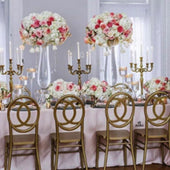
To complete the 360-degree design, extend your texture story to the seating. Utilizing chair covers in a structural fabric and finishing them with chair sashes in a contrasting material—such as a chiffon tie against a polyester cover—ensures the high-end aesthetic is maintained throughout the entire venue.
Balancing "Rough" and "Smooth" Elements

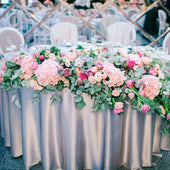
A common mistake in wedding design is staying too safe within a single fabric family. High-end design thrives on contrast. Try pairing the "rough," organic feel of a wooden harvest table with a soft, velvet runner.
Alternatively, pair a sleek, metallic tablecloth with "soft" table napkins made of a gauzy cotton. This juxtaposition between architectural and organic elements is what creates the "Pinterest-perfect" look that modern couples crave.
Final Thoughts
Building a high-end wedding aesthetic is a balance of high-quality sourcing and creative layering. By investing in table linens wholesale and focusing on a variety of tactile finishes, you can offer clients a bespoke design experience.
When your tablecloths, table runners, and chair sashes work together to create a multi-layered story, you elevate the entire event from a simple meal to a luxury experience.
Frequently Asked Questions
How to choose table linens?
Start by identifying the primary aesthetic of the venue. For industrial or modern spaces, lean into sleek, architectural fabrics like spandex or matte satin. For garden or historic settings, prioritize organic textures and soft drapes like linen-look polyester or lace.
How to make a table look attractive?
The key is layering and "The Rule of Three." Use a base cloth, a runner or overlay, and a precisely folded napkin. Ensure your textures offer enough contrast to be seen from a distance, and always ensure your linens are steamed to perfection, because nothing ruins an attractive table faster than visible fold lines.
How to keep table linens from wrinkling?
Choose synthetic blends like high-grade polyester, which are naturally more wrinkle-resistant than 100% cotton or linen. On-site, use a professional handheld steamer once the tablecloths are already on the tables to pull out any residual creases using the fabric's own weight.
What is the best way to store linens for events?
Linens should be stored in a climate-controlled, dry environment. To prevent permanent creasing, avoid tight folding or vacuum-sealing. Instead, hang large tablecloths on industrial-grade hangers or store them in breathable fabric bags to allow for air circulation.
How to make linen look good?
Focus on the "drop." A high-end linen should always reach the floor. Additionally, using an under-cloth or "silencer" can make a standard linen look much more expensive by adding weight and preventing the table legs or surface from showing through the fabric.