Summary
In the culinary world, the first bite is taken with the eyes. For caterers, the table linen is not just a protective covering; it is the canvas upon which the culinary story is told. By strategically selecting textures and colors that complement the menu, caterers can elevate a standard meal into a multi-sensory experience. This guide explores how to leverage table linens to elevate your food presentation to create memorable dining experiences.
Our Products


Tablecloth
Table Overlays
Napkins
Quick Answer
- Contrast is Key: Use dark linens (like Slate or Navy) to make vibrant vegetables and white porcelain "pop."
- Texture as Garnish: Incorporate "raw" or woven textures to emphasize farm-to-table and organic menu items.
- The "Buffet Shield": Use table overlays and tiered risers to create visual height while protecting your base linens from inevitable sauce drips.
- Napkin Art: View table napkins as a final plating element that bridges the gap between the furniture and the food.
Using Color to Enhance Food Appeal

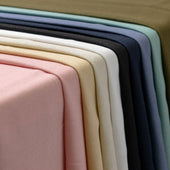
Visual contrast is the secret to appetizing displays. The background color of your tablecloths can either wash out your dishes or make them look like works of art. When browsing tablecloths, keep specific culinary pairings in mind.
Warm clay and terracotta tones are perfect for rustic breads, roasted meats, and Mediterranean spreads. Deep emerald and forest greens are ideal for highlighting the freshness of vibrant salads and vegan entrees. For modern "Molecular Gastronomy" or bright citrus-based desserts, stark black and charcoal remain the industry standard for high-contrast presentation.
Creating Depth for Buffet and Station Design

A flat table is a missed opportunity. Caterers use table runners and overlays to guide guests' eyes toward the "hero" dishes of the evening. To distinguish different culinary offerings, use bold table runners to separate a carving station from a dessert bar.
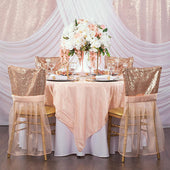
Incorporating Table overlays in high-spill zones, such as sauce stations, allows for quick mid-event swaps without a full table reset. For seated dinners, ensure your chair covers and chair sashes mirror the elegance of the plating to create a fully immersive dining environment from the first course to the last.
Matching the Fabric to the Menu
Elevate your guests’ dining experience by matching the hand-feel of the table and flavor profile of the menu. Sourcing table napkins in bulk allows you to maintain a consistent aesthetic across large guest counts while reinforcing the culinary theme.
Formal French service demands the crisp, heavyweight feel of high-quality polyester or damask. Conversely, farm-to-table concepts are best served on stone-washed linens or cheesecloth to reflect an artisanal, organic brand. For high-energy cocktail hours, utilize sleek spandex or stretch linens for a tailored, modern look that suggests efficiency and movement.
The Practical Art of Napkin Placement

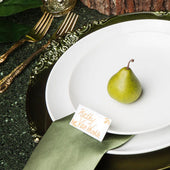
Table napkins are the most intimate point of contact for a guest. They are not merely for cleaning. They function as the final design element of the place setting. Layering a napkin between the charger and the plate prevents sliding while adding a strategic pop of color. To add tactile luxury to every bite, try using a velvet or woven napkin against a smooth ceramic plate to provide a sensory contrast that complements the meal.
Final Thoughts
For a catering business, the investment in high-quality tablecloths and table napkins is an investment in your professional reputation. When the linen and the food work in harmony, guests perceive the meal as more valuable. By mastering the protocol of the pristine table, you ensure that your culinary talent is supported by an environment that reflects excellence.
Frequently Asked Questions
How to choose table linens?
Start with your menu’s theme. If you are serving heavy, rustic comfort food, choose fabrics with weight and texture. For delicate, modern cuisine, opt for smooth, matte finishes that don't distract from the intricate plating. Always ensure the fabric choice aligns with the logistical needs of the event, such as wrinkle resistance for long-haul catering.
How to choose a color for your brand?
Choose a signature neutral that complements your plating style, such as a light grey or warm sand. Use accent pieces like table runners or napkins to rotate seasonal brand colors. This allows you to maintain a core identity while staying flexible enough to match specific client requests or seasonal ingredients.
How to pick a tablecloth color?
Think about the food’s star colors. If you serve a lot of colorful, fresh produce, a neutral or dark background provides the best contrast. Avoid colors that clash with your signature dishes, such as a bright red cloth under a tomato-heavy Italian menu, which can muddy the visual appeal of the sauce.
How do I protect linens during a buffet service?
Use tiered risers to keep serving platters away from the cloth and incorporate decorative mats or trays under sauce-heavy dishes to catch drips before they reach your tablecloths. Additionally, using a patterned overlay can help camouflage minor blemishes during high-traffic service periods.