Summary
Rustic venues like barns, farms, and country estates require tablecloths that complement natural wood, exposed beams, and outdoor elements without competing with the venue's character. Event planners working with rustic spaces need linens that balance elegance with casual charm, using natural textures, neutral tones, and strategic pops of color. Understanding which fabrics, colors, and styling approaches work best for rustic settings helps create cohesive presentations that honor the venue's authentic character while meeting client expectations for polished events.
Our Products


Table Runners
Tablecloths
Burlap
Quick Answer
Best linens for rustic venues include:
- Neutral tablecloths: ivory, champagne, natural beige, or soft gray
- Textured runners: burlap, lace, or natural linen
- Simple napkins: ivory, kraft, or muted earth tones
- Minimal chair covers: natural wood shows through or simple sashes
- Accent colors: dusty rose, sage green, terracotta, or navy
The key is letting the venue's natural beauty shine while adding refined touches that elevate without overwhelming the rustic aesthetic.
Understanding Rustic Venue Characteristics

Rustic venues feature natural materials like reclaimed wood, stone, and metal that create warm, organic atmospheres. Barn venues showcase exposed beams, weathered wood walls, and often concrete or wood plank floors. Farm settings incorporate outdoor elements, pastoral views, and agricultural architecture.
These venues provide built-in character that formal ballrooms lack. Event planners must work with rather than against these features, selecting linens that complement the existing aesthetic instead of trying to transform the space into something it's not.
Lighting in rustic venues tends to be warmer and more ambient than traditional event spaces. String lights, lanterns, and natural light through barn doors create golden glows that affect how linen colors appear. This warmer lighting makes cool-toned linens look different from how they would in fluorescent-lit ballrooms.
Temperature and weather considerations matter for rustic venues. Many barns lack climate control, and outdoor elements may be part of the celebration. Linen selections should account for potential heat, humidity, or outdoor exposure that could affect fabric performance.
Neutral Tablecloth Foundations

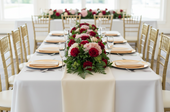
Neutral tablecloths create clean foundations that let rustic venue features remain focal points. Ivory and champagne work beautifully in barn settings, providing elegance without stark contrast against warm wood tones.
Natural beige or tan tablecloths blend seamlessly with rustic environments, creating cohesive presentations where tables feel integrated into the space rather than imposed upon it. These earth tones photograph gorgeously in natural light and complement the organic materials surrounding them.
Soft gray tablecloths offer modern rustic sophistication. They provide neutral bases while adding contemporary touches that prevent rustic venues from feeling too country or casual. Gray works particularly well in industrial-rustic spaces with metal accents and concrete floors.
White tablecloths can work in rustic venues but require careful styling to avoid looking too formal or creating a harsh contrast. When using white, balance it with natural texture through runners, centerpieces, or chair treatments that soften the crisp appearance.
Avoid overly saturated or bright tablecloth colors that compete with the venue's natural palette. The goal is harmony between linens and the environment, not visual competition.
Textured Runner Options

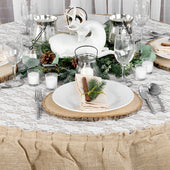
Table runners introduce texture and visual interest essential to rustic styling. Burlap runners are classic choices for barn weddings, providing authentic rustic texture that complements wood and natural materials. The rough, organic weave adds tactile interest while maintaining casual elegance.
Lace runners create romantic rustic presentations, particularly popular for vintage-inspired barn weddings. White or ivory lace over natural wood tables or neutral tablecloths adds delicate femininity that balances the venue's rougher textures.
Natural linen runners in oatmeal, flax, or wheat tones provide a refined rustic texture. These offer more polished presentations than burlap while maintaining organic, natural aesthetics appropriate for country settings.
Patterned runners in subtle designs like stripes or checks can work when patterns align with the rustic theme. Gingham or ticking stripe runners suit farmhouse aesthetics, while avoiding overly ornate patterns that feel too formal.
Runner width affects the rustic aesthetic. Wider runners create more substantial visual impact, while narrower runners allow more table surface or wood to show through. For rustic venues, showing some of the natural table surface often enhances rather than detracts from the design.
Offset Diagonal Layering
Offset layering positions runners at different angles for dynamic, modern presentations. Place one runner straight down the table center, then position the second runner diagonally across it. This asymmetrical approach creates contemporary aesthetics perfect for fashion-forward weddings and corporate events.
The diagonal placement draws the eye across the table rather than just along its length, creating movement and energy. This technique photographs particularly well, offering interesting angles and depth in event photography.
Color blocking works effectively with offset placement. Use bold contrasting colors where runners intersect to create focal points. The overlapping section becomes a design feature rather than something to hide or minimize.
For very long tables like king's tables or head tables, multiple offset runners can create repeating patterns. Alternate the diagonal direction every few feet to maintain visual interest across the entire table length.
Napkin Selection Strategies

Napkins in rustic settings should feel approachable and natural rather than overly formal. Ivory or natural linen napkins provide classic elegance that works across rustic venue types. The slightly textured appearance of linen fabric aligns with rustic aesthetics better than smooth satin.
Kraft or tan napkins embrace the rustic theme fully, creating cohesive presentations where every element feels intentionally country-inspired. These work particularly well for casual daytime events or farm-to-table dinner celebrations.
Muted earth tones like sage green, dusty rose, or terracotta introduce color without overwhelming the natural palette. These soft hues complement rather than compete with rustic surroundings while adding personality and wedding color integration.
Napkin presentation matters in rustic settings. Simple folds or rolls tied with twine, raffia, or ribbon feel more appropriate than elaborate formal folds. Tucking sprigs of lavender, rosemary, or wheat into napkin ties reinforces the natural, organic aesthetic.
Avoid overly shiny or metallic napkins that feel too glamorous for rustic venues. The goal is refined simplicity rather than opulent luxury.
Chair Treatment Approaches
Many rustic venues feature beautiful wooden chairs like cross-backs, Chiavari chairs in natural wood, or simple farm chairs that shouldn't be covered. Event planners should consider whether chair covers are necessary or if the natural chairs enhance the rustic aesthetic.
When venue chairs are unattractive or mismatched, simple chair sashes in natural fabrics work better than full covers. Burlap sashes, lace ties, or linen bands add polish without hiding the chairs completely. This approach maintains the casual, organic feel while creating cohesion.
If full chair covers are necessary, choose natural tones that blend with the venue rather than stark white that creates a harsh contrast. Ivory, champagne, or tan covers feel more appropriate for rustic settings than bright white.
For outdoor ceremony seating or cocktail areas, leaving chairs uncovered often works best. The natural wood or metal chairs become part of the rustic aesthetic rather than elements to hide.
Chair cushions in neutral tones can add comfort for long events without requiring full covers. This practical approach suits rustic venues where comfort matters but formal presentation is less critical.
Color Palette Considerations
Rustic venues work beautifully with muted, nature-inspired color palettes. Dusty rose, blush, and mauve add romantic softness without feeling too precious or formal. These colors photograph gorgeously against wood and natural light.
Sage green, eucalyptus, and olive tones complement rustic settings naturally, echoing the outdoor elements often visible through barn doors or surrounding the venue. These greens feel organic and intentional in country settings.
Terracotta, rust, and burnt orange suit fall rustic weddings, picking up warm tones in wood and creating cozy, harvest-inspired aesthetics. These colors work particularly well in venues with red barn exteriors or autumn celebrations.
Navy blue provides sophisticated contrast in rustic settings, adding depth without feeling too formal. Navy pairs beautifully with natural wood and works across seasons, making it versatile for rustic venue inventory.
Metallics should be used sparingly in rustic venues. Copper and bronze feel more appropriate than silver or gold, complementing rather than competing with the natural materials. Use metallic accents in small doses through charger plates or napkin rings rather than large linen pieces.
Fabric Texture Importance
Texture matters more in rustic venues than in formal ballrooms. Smooth, shiny fabrics like satin can feel out of place against rough wood and natural materials. Event planners should prioritize fabrics with natural texture and matte finishes.
Polyester with slight texture works well for rustic events, offering practical benefits like wrinkle resistance while avoiding the overly smooth appearance of formal satin. The subtle texture catches light naturally without creating shiny reflections.
Cotton and linen blends provide authentic natural texture, perfect for rustic aesthetics. These fabrics feel organic and intentional in country settings, though they require more care than polyester options.
Avoid overly stiff or structured fabrics that create formal appearances. Rustic venues benefit from linens that drape naturally and feel relaxed rather than rigid and precise.
Layering different textures creates dimensional interest. Smooth tablecloths with textured runners, or vice versa, add visual complexity that photographs well and create sophisticated rustic presentations.
Seasonal Rustic Considerations
Spring rustic events work beautifully with soft pastels and fresh greens. Blush, lavender, and mint create garden-inspired presentations that complement blooming surroundings and lighter, airier rustic aesthetics.
Summer rustic celebrations can embrace brighter, more saturated colors while maintaining natural palettes. Sunflower yellow, coral, and bright sage work in summer barn settings where abundant natural light supports bolder choices.
Fall rustic events are perhaps most natural, with harvest colors like burgundy, orange, and deep green feeling perfectly at home in country settings. Rich, warm tones complement the season and rustic venue character beautifully.
Winter rustic events benefit from deeper, moodier tones. Forest green, burgundy, and charcoal create cozy, intimate presentations appropriate for cold-weather barn celebrations. Adding texture through velvet or heavier fabrics suits winter rustic aesthetics.
Practical Rustic Venue Challenges
Rustic venues often have uneven floors, rough surfaces, and outdoor elements that affect linen performance. Event planners should choose durable fabrics that withstand these conditions without showing excessive wear.
Dust and debris are common in barn venues. Selecting linens in colors that don't show every speck of dust prevents constant maintenance during events. Medium tones work better than stark white or very dark colors.
Limited climate control means temperature fluctuations that can affect both linens and guests. Choose breathable fabrics for summer events and consider how linens will photograph in varying natural light conditions throughout the day.
Setup challenges in rustic venues include limited access, uneven surfaces for table placement, and sometimes outdoor setup requirements. Linens should be easy to transport, quick to install, and forgiving of less-than-perfect table surfaces underneath.
Styling Tips for Cohesive Presentations
Let the venue be the star by keeping linen choices relatively simple and understated. Rustic venues provide so much built-in character that linens should support rather than compete with the environment.
Incorporate natural elements into table styling. Wood slices, greenery, wildflowers, and candles in mason jars or lanterns complement rustic linens while reinforcing the organic aesthetic.
Mix textures intentionally. Combine smooth and rough, shiny and matte, structured and flowing to create dimensional presentations that feel curated rather than matched.
Consider the view from different angles. Rustic venues often have interesting architectural features visible from various perspectives. Ensure linen choices work from all viewpoints, not just straight-on table views.
Final Thoughts
Selecting linens for rustic venues requires understanding that less is often more. Neutral tablecloths, textured runners, and simple napkins in natural tones create elegant foundations that honor the venue's character rather than fighting against it.
Event planners who embrace rustic aesthetics through thoughtful linen selection, appropriate color palettes, and texture-rich styling create cohesive presentations that feel authentic and intentional. The key is balancing refined elegance with casual charm, using linens to enhance rather than transform the space, and letting the venue's natural beauty remain the focal point while still delivering polished, professional events that meet client expectations.
Frequently Asked Questions
What color tablecloths work best in barn venues?
Ivory, champagne, natural beige, and soft gray work best in barn venues. These neutral tones complement warm wood and natural materials without creating harsh contrast or competing with the venue's character.
Should you use burlap for rustic weddings?
Burlap works well as an accent through runners or chair sashes but can feel too casual as full tablecloths. Use burlap strategically to add rustic texture while maintaining overall elegance through neutral base linens.
Do rustic venues need chair covers?
Many rustic venues feature beautiful wooden chairs that look better uncovered. Only use chair covers when venue chairs are unattractive or mismatched. Simple sashes often work better than full covers for rustic aesthetics.
What napkin colors suit rustic venues?
Ivory, natural linen, kraft, sage green, dusty rose, and terracotta suit rustic venues. These muted, nature-inspired tones complement wood and natural materials while adding subtle color interest.
Can you use white linens in rustic venues?
Yes, but white works better when balanced with natural textures through runners, centerpieces, or chair treatments. Pure white can feel too formal, so ivory or champagne often works better for rustic settings.