Summary
Choosing the right centerpiece size is essential for creating balanced and functional table décor. A centerpiece that is too large can block guest interaction and overwhelm the table, while one that is too small may look unfinished or disappear in the overall design. The ideal size depends on table shape, guest seating, event formality, and how other décor elements are layered together. Exploring different table centerpiece options helps you find the perfect scale for your celebration.
Our Products


Centerpiece
Candelabras
Candles
Quick Answer
Most table centerpieces fall into two common height categories: low arrangements around table level or tall designs that rise well above guests' sight lines. Low centerpieces typically stay under eye level to encourage conversation, while tall centerpieces extend upward to create visual drama without blocking views across the table. Selecting between these styles depends on the event atmosphere, table size, and desired visual impact.
Why Centerpiece Size Matters in Table Design
Centerpieces influence more than decoration alone. Their scale affects how comfortably guests can talk, how clearly servers can place dishes, and how balanced the table appears within the full room layout. Because tables repeat throughout a venue, even small sizing mistakes become noticeable when multiplied across dozens of settings.
Well-proportioned centerpieces help unify the entire event design. They connect linens, lighting, and surrounding décor so the room feels intentional rather than crowded or incomplete.
Standard Centerpiece Heights for Events


Low Centerpieces
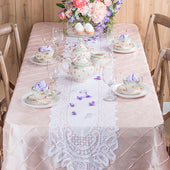
Low arrangements typically remain below guests' eye level when seated, allowing clear conversation across the table. This style is widely used for weddings, dinners, and social gatherings where comfort and interaction are priorities. Floral clusters, candles, and compact decorative pieces are common choices because they provide beauty without obstructing the view.
Low centerpieces also photograph well in intimate settings. Their scale keeps attention on guests and table details instead of towering décor.
Tall Centerpieces
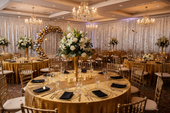
Tall centerpieces extend well above eye level, creating vertical drama and drawing attention across the room. Because the height rises beyond sight lines, guests can still see one another underneath the arrangement. This makes tall designs popular in ballrooms, banquet halls, and large receptions where visual impact must carry across wide spaces.
These centerpieces often include elevated floral designs, structured stands, or hanging decorative elements. Their scale helps define focal areas and adds dimension to formal event styling.
Mixed-Height Centerpieces
Many modern events combine low and tall centerpieces throughout the venue to create variation and visual rhythm. Alternating heights prevents the room from looking flat while still maintaining balance from table to table. This approach is especially effective in large receptions where repeating identical décor could feel monotonous.
Mixed heights also allow planners to control costs. Taller arrangements can be placed on select tables while simpler designs fill the remaining spaces.
Choosing Centerpiece Size by Table Shape
Round Tables
Round tables usually seat several guests evenly, making visibility and balance especially important. Low arrangements often work best for conversation-focused dining, while tall centerpieces suit formal receptions where atmosphere matters more than constant interaction. The proportion should always match the table diameter so the arrangement neither overwhelms nor disappears.
Rectangular or Banquet Tables
Long tables distribute décor across a wider surface, so length and spacing matter more than height alone. Instead of one large centerpiece, planners often use multiple smaller elements arranged along the center line. This keeps the design cohesive while allowing enough open space for dining service.
Cocktail Tables
Cocktail tables are taller and smaller in surface area, which means centerpieces must stay slender and vertical to avoid crowding. Compact floral stems or narrow decorative accents typically provide enough detail without interfering with guest movement around the table.
Event Style and Centerpiece Proportion


Formal Weddings and Banquets
Elegant events often favor taller or more elaborate centerpieces because they enhance lighting, photography, and overall atmosphere. These designs help transform large venues into visually immersive spaces while maintaining symmetry across tables. Pairing centerpieces with coordinated tablecloths creates a cohesive look for wedding celebrations.
Casual Gatherings and Outdoor Celebrations
Relaxed settings usually benefit from lower and simpler arrangements that feel approachable and comfortable. Outdoor airflow, sunlight, and limited table space also make compact centerpieces more practical.
Modern Minimalist Events
Minimalist styling emphasizes clean lines and open space, so understated centerpieces with controlled proportions work best. The goal is subtle refinement rather than dramatic scale.
Practical Tips for Balanced Centerpieces
Achieving the right size involves more than measuring height. Designers often consider:
- guest comfort and visibility
- table diameter or length
- surrounding décor scale
- lighting and ceiling height
- ease of serving and cleanup
Balancing these factors ensures the centerpiece enhances the table instead of competing with it. Coordinating with vases and other decorative elements helps create a unified presentation.
Final Thoughts
The best centerpiece size depends on how the table functions within the overall event. Low arrangements encourage conversation and intimacy, while tall designs create drama and visual reach in large venues. Mixing both styles can add depth and rhythm across the room without sacrificing balance.
By matching centerpiece scale to table shape, guest comfort, and event atmosphere, planners can create table settings that feel polished, functional, and visually cohesive from every angle.
Frequently Asked Questions
What is the ideal centerpiece height for wedding tables?
Most weddings use either low centerpieces below eye level or tall arrangements that extend above guests' sight lines. Both options work well, and the best choice depends on venue size, table layout, and overall design style.
Are tall centerpieces better than short ones?
Neither is universally better because each serves a different purpose. Tall centerpieces add drama and visibility in large venues, while short centerpieces support conversation and comfort at the table.
How do you choose a centerpiece for round versus rectangular tables?
Round tables typically use a single balanced centerpiece, while rectangular tables often distribute several smaller elements along the center. This keeps proportions consistent with the table's shape and seating arrangement.