Summary
Yes, you can use overlays without tablecloths, but it depends on the table and the look you’re going for. While overlays are usually layered over a base cloth, there are setups where using them alone actually works well. This guide breaks down when skipping the base tablecloth is a smart styling choice and when it is not.
Our Products


Table Overlays
Napkins
Table Runners
Quick Answer
- Draped across the diameter with overhang on both sides
- Laid flat as a decorative surface accent
- Dropped vertically on high-top tables for dramatic effect
- Layered with overlays for dimensional styling
The key is adjusting placement and length to suit round surfaces rather than applying the same approach used on rectangular dining tables.
How Runners Work on Cocktail Tables

Standard cocktail tables are round, typically 30 to 36 inches in diameter, which means the traditional lengthwise runner placement used on rectangular tables doesn't apply. Instead, runners drape across the diameter, hanging over both sides. This creates a cross-section effect that adds color and texture while still allowing the base tablecloth to show on either side.
For high-top cocktail tables, runners that hang down the sides create dramatic vertical lines that draw the eye upward. This works particularly well in venues with high ceilings where the vertical drop reinforces the sense of height and grandeur.
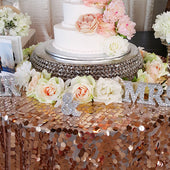
A second option places the runner flat across the table surface without significant overhang, functioning more as a decorative mat. This works when the runner fabric is a focal point, such as a sequin or lace piece, and you want it fully visible rather than draped.
Choosing the Right Runner Length
Standard 108-inch runners work well on most cocktail tables, providing enough length to drape attractively over both sides of a 30 or 36-inch round table. Shorter 90-inch runners suit lower cocktail tables where less drape is desired. For high-top tables where dramatic floor-length drops are the goal, longer runners or two runners layered together provide the coverage needed.
Event planners managing events with both rectangular dining tables and round cocktail tables can often use the same runner inventory across both table types, maximizing versatility and reducing the number of different linen pieces needed.
Fabric and Texture Considerations
Fabric choice matters more on cocktail tables than dining tables because runners are visible from multiple angles. Guests standing around cocktail tables view linens from all sides, making fabric quality and drape more apparent.
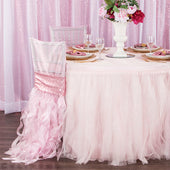
Sheer fabrics like organza or chiffon create elegant, flowing effects. Layering a sheer runner over a solid table overlay creates dimensional presentations that photograph well from any angle. Sequin runners add glamour to cocktail areas, catching light as guests move around the table, making them ideal for evening events and upscale receptions. Heavier fabrics like satin or velvet drape beautifully on high-top tables, creating rich vertical drops that reinforce a formal event's sophistication.
Coordinating Cocktail and Dining Tables

Consistency across table types creates cohesive event design. One effective approach uses the same runner color on both table types but reverses the tablecloth color. Dining tables might use ivory tablecloths with navy runners, while cocktail tables use navy tablecloths with ivory runners. This creates visual variety while maintaining color consistency throughout the venue.
Napkins at cocktail tables are often displayed in fans or rolls rather than formal place settings. Coordinating napkin colors with runners reinforces the color story established across the event space.
Securing Runners on Cocktail Tables
Runners on round cocktail tables shift more easily than those on rectangular dining tables. Centerpieces placed at the runner's center point provide the most effective anchoring, using the weight of floral arrangements or candle holders to keep runners in position.
For outdoor events or venues with drafts, small clips or double-sided tape applied discreetly underneath prevent shifting without affecting the visual presentation. This is particularly important for high-top tables where any movement is immediately visible to standing guests.
When to Skip Runners on Cocktail Tables
Runners aren't always the right choice. Very small cocktail tables with limited surface area can feel cluttered with runners, especially when centerpieces and glassware are added. When tables serve primarily functional purposes like drink service, keeping linens simple with just a quality tablecloth and coordinating chair sashes on nearby seating maintains cohesion without unnecessary complexity.
Final Thoughts
Table runners work beautifully on cocktail tables when adapted for round surfaces and styled with appropriate fabric choices and securing methods. Whether draping runners across the diameter for classic looks, creating dramatic vertical drops on high-tops, or layering sheer fabrics over solid bases, intentional placement enhances the overall event design. Event planners who incorporate runners consistently across all table types deliver polished, cohesive presentations that clients notice and appreciate.
Frequently Asked Questions
What is a table runner?
A table runner is a narrow decorative fabric placed along the center of a table. It adds contrast, texture, or color without covering the entire surface.
How wide is a table runner?
Most runners range from 10 to 14 inches wide. Wider runners create a stronger visual impact, while narrow runners provide subtle detail.
Should a table runner hang over the table edge?
A slight overhang is common because it softens the table's shape and adds movement to the design. On cocktail tables, the overhang drapes over both sides of the round surface.
Can you use a table runner on a round table?
Yes. Runners can cross the center, layer beneath centerpieces, or drape vertically on high-tops. This flexibility makes them useful for both casual and formal décor on round surfaces.