Summary
Multi-day events introduce linen management challenges that single-day setups never face. Conferences, trade shows, multi-day weddings, and festival-style gatherings require clean linens across multiple sessions without the luxury of a full laundry cycle between each one. Getting this right means planning inventory quantities, rotation schedules, and backup systems well before the first table is dressed.
Starting with the right tablecloths and overlays in adequate quantities and building a logistics plan around them is what separates events that run smoothly from those that scramble through day two.
Our Products


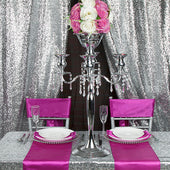
Rectangular Spandex Table Cover
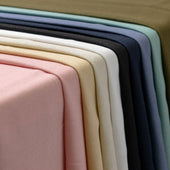
Polyester Tablecloth
Spandex Cocktail Table Covers
Quick Answer
Managing linen logistics for multi-day events requires:
- Calculating inventory for each day separately, not just the total event
- Building a 20% backup buffer on top of daily requirements
- Using durable polyester linens that hold up across multiple setups
- Assigning dedicated staff to linen tracking, rotation, and storage
- Keeping spandex covers for high-traffic areas that need frequent refreshing
- Staging clean and soiled linens in clearly separated areas throughout the event
The key is treating each event day as its own independent setup while managing the full inventory as a single coordinated system.
Calculate Inventory by Day, Not by Event
The most common linen logistics mistake for multi-day events is calculating total inventory based on the number of tables rather than the number of days. A three-day conference with 50 tables does not need 50 tablecloths. It needs enough tablecloths to cover 50 tables each day, accounting for soiling, damage, and the realistic turnaround time available between sessions.
If laundry facilities are accessible on-site or nearby, a rotation system using 1.5 times the single-day requirement can work for events where soiled linens can be cleaned and returned within a few hours. For events without reliable laundry access, plan for a full separate set of clean linens for each day, plus a 20% backup buffer across all categories.
Polyester tablecloths are the practical choice for multi-day events because they resist wrinkles during storage, dry quickly after cleaning, and maintain their appearance across repeated use. Investing in quality polyester at the outset reduces replacement needs and keeps the overall linen presentation consistent from day one through the final session.
Use Spandex Covers for High-Traffic Areas

Registration tables, buffet stations, bar setups, and display areas take significantly more abuse during multi-day events than standard guest seating. These surfaces are touched constantly, exposed to food and beverages throughout the day, and need to look presentable at all times, regardless of what has happened to them in the hours prior.
Rectangular spandex table covers are the most practical solution for these high-traffic areas because they fit snugly, resist shifting during heavy use, and can be wiped down quickly between sessions without a full linen change. Their fitted leg pockets help keep the covers secure during heavy traffic and reduce shifting that commonly happens with standard loose tablecloths.
For cocktail areas and standing reception spaces, spandex cocktail table covers provide the same durability advantages in a format designed for round high-top tables. These covers stay in place through hours of guest interaction and maintain a clean, tailored appearance that standard tablecloths on cocktail tables cannot reliably deliver across multiple days.
Build a Chair Cover Rotation Plan

Chair covers are among the most labor-intensive linen pieces to manage at multi-day events because installation and removal take time, and any visible soiling is immediately apparent to guests. Planning a realistic chair cover rotation schedule before the event begins prevents the rushed decisions that lead to inconsistent presentation across different event areas.
For events where the same chairs are used across multiple days in the same configuration, inspect covers at the end of each day and replace only those showing visible soiling or damage. This targeted approach reduces laundry volume and installation time while maintaining overall presentation standards.
For events where room configurations change between days, build chair cover removal and reinstallation into the changeover schedule with dedicated staff assigned specifically to this task. Underestimating the time required for chair cover changeovers is one of the most common causes of delayed room turnovers at multi-day events.
Manage Napkins as a Daily Consumable


Napkins should be treated as single-day-use inventory. Unlike tablecloths and chair covers that can be inspected and selectively replaced, napkins are handled directly by guests and cannot be reused between sessions without laundering.
Calculate napkin quantities based on the highest-attendance session of the event and multiply by the number of days. Add a 25% buffer on top of this total to account for buffet service, cocktail hours, and any sessions where napkin usage runs higher than expected.
Organize clean napkins by day in clearly labeled storage containers so staff can access the correct supply for each session without sorting through the full inventory. This simple organizational step reduces setup errors and ensures the right quantity is available at the start of each day without a full inventory count.
Set Up a Clean and Soiled Staging System
The physical separation of clean and soiled linens throughout a multi-day event is as important as the inventory quantities themselves. Without a clear staging system, clean linens get mixed with soiled ones, inventory counts become unreliable, and the risk of dressing a table with stained or damaged linen increases significantly.
Designate specific areas for clean linen storage and soiled linen collection at each venue space. Use clearly labeled bins, racks, or containers that staff can identify at a glance without stopping to check. Color-coded bags or tags for clean versus soiled linens add an additional layer of clarity that reduces errors during high-pressure changeover periods.
Assign at least one staff member per venue space to linen tracking throughout each event day. This person is responsible for monitoring inventory levels, flagging pieces that need replacement, and ensuring soiled linens are collected and staged correctly at the end of each session. Having a dedicated point of contact for linen logistics at each space prevents the communication gaps that lead to shortages and presentation failures.
Final Thoughts
Multi-day event linen logistics require the same level of planning as the event design itself. Calculating inventory by day rather than by total event, using durable polyester tablecloths and spandex covers for high-traffic areas, building realistic chair cover rotation schedules, treating napkins as daily consumables, and maintaining a clean staging system throughout the event are the operational foundations that keep multi-day events running smoothly from start to finish.
Event professionals who build these systems in advance spend less time managing linen problems on-site and more time delivering the consistent, polished results that clients expect across every day of a multi-day event.
Frequently Asked Questions
How many tablecloths do you need for a multi-day event?
Calculate the number of tablecloths needed to cover all tables for a single day, then multiply by the number of days if laundry turnaround is not available between sessions. Add a 20% backup buffer on top of the total to account for soiling and damage.
What is the best tablecloth fabric for multi-day events?
Polyester is the most practical choice for multi-day events because it resists wrinkles during storage, dries quickly after cleaning, and maintains its appearance across repeated use. It outperforms cotton and satin in high-use, multi-session environments.
How do you keep linens organized at a multi-day event?
Use clearly labeled storage containers for clean linens, organized by day, and designated collection bins for soiled pieces. Assign dedicated staff to linen tracking at each venue space and conduct a brief inventory check at the start and end of each session.
When should you use spandex table covers instead of standard tablecloths?
Use spandex covers for high-traffic areas like registration tables, buffet stations, and bar setups where linens are exposed to constant contact and need to maintain a clean appearance throughout the day without frequent full replacements.
How do you handle chair cover changeovers between event days?
Inspect covers at the end of each day and replace only those showing visible soiling or damage for events with consistent configurations. For events with changing room layouts, build dedicated chair cover removal and reinstallation time into the changeover schedule with staff assigned specifically to this task.