Summary
Choosing the right tablecloth size and shape helps your tables look balanced and intentional. This guide walks you through choosing the correct fit for round, rectangular, square, and banquet tables. You can browse options like round tablecloths to see which size works best for your setup.
Our Products


Table Overlays
Tablecloths
Table Runners
Why Table Shape Matters When Choosing a Tablecloth
Every table shape drapes differently, so choosing the right linen improves both coverage and overall appearance. Round tables need consistent drop while rectangular tables depend on clean, even edges. When your tablecloth matches the table shape, the setup looks aligned and fully coordinated.


Measuring Your Table Correctly
Start by measuring your table dimensions. Measure the diameter for round tables and the length and width for rectangular or square tables. Decide how much drop you want, depending on the tone of your event. Shorter drops feel casual, while floor length is preferred for formal or wedding setups.
Using durable fabrics such as polyester tablecloths helps maintain consistent draping regardless of the table shape.
Best Tablecloth Sizes for Round Tables
Round tables are common for weddings and receptions. A 120-inch tablecloth works well for a 60-inch round table, giving full coverage to the floor. A 132-inch tablecloth is ideal for 72-inch rounds when full coverage is needed. These sizes create uniform lines around the table.
Styling Tips for Round Tables
Round tables pair well with layered styles. You can place toppers or specialty fabrics over your base cloth to create dimension. Using rich textures like velvet tablecloths adds depth for evening or upscale events.
Best Tablecloth Sizes for Rectangular Tables
Rectangular tables are used for dining, buffets, and décor displays. A 90 x 156-inch cloth will cover an 8-foot table to the floor. A 90 x 132 gives full coverage on a 6ft table. Correct sizing ensures clean edges and makes the table look aligned on all sides.
Styling Tips for Rectangular Tables
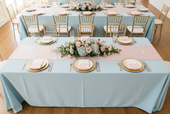
Rectangular tables allow many design options. You can introduce color or contrast by adding table runners to the center. This creates a strong visual line that complements your place settings.
Matching Tablecloth Shape to Table Shape
Choosing the correct shape is simple. Round tablecloths match round tables and prevent uneven drops. Rectangular linens follow straight edges and give structure to the layout. Square linens can be used on small round tables when you want angled points or on square tables for clean coverage. Using mismatched shapes leads to awkward draping and uneven flow.
How Color Choice Enhances Table Shape and Overall Balance
Once you’ve matched the correct tablecloth size and shape to your table, color becomes the next element that determines how balanced and intentional the setup feels. Softer tones inspired by Pink tablecloths can help round tables feel lighter and more inviting, especially for brunches, bridal showers, or garden-style events where gentle hues complement floral centerpieces and natural lighting.
For more structured layouts, such as long rectangular or banquet tables, deeper shades like those found in Purple tablecloths add visual weight and elegance, helping anchor the table within the room. These richer tones pair especially well with straight edges and symmetrical place settings, reinforcing a polished and formal presentation.
Neutral-leaning colors such as blue tablecloths are a practical and stylish choice across both round and rectangular tables. Blue tones maintain a clean, consistent look while working easily with runners, overlays, and varied table shapes, making them ideal for mixed layouts at weddings, corporate events, or hotel banquets.
When you want to introduce warmth or seasonal energy, accents drawn from Yellow tablecloths can brighten square or rectangular tables used for dessert stations, welcome tables, or buffets. These brighter shades help define focal points in the room without overwhelming the overall design when balanced with neutral base linens.
For events with organic or outdoor themes, green tablecloths naturally complement both round and rectangular tables by echoing botanical décor, garland runners, and foliage-based centerpieces. Green tones also soften hard table edges visually, helping different table shapes blend into one cohesive tablescape.
Layering with Overlays, Skirts, and Runners
Layering is one of the easiest ways to enhance your tablescape. Using tablecloth overlays helps introduce secondary colors or highlight the table centerpiece. Table skirts can fully cover utility tables. Runners frame your décor and help define the theme of your event.
Choosing the Best Fabric for Your Table Shape
Fabric determines how your tablecloth hangs. Polyester is wrinkle-resistant and suits all table shapes. Velvet adds weight and works well for dramatic setups. Sheer or specialty fabric layers can help soften the table’s appearance. Selecting the right fabric ensures the table looks balanced from every angle.
Frequently Asked Questions
How do I choose the right tablecloth drop length?
Drop length depends on the style of your event. Floor length is ideal for weddings and formal gatherings, while shorter drops work well for casual dining or outdoor events. Consider the chairs and overall room layout when deciding the final drop.
Can I mix different table shapes at the same event?
Yes. Many layouts use both round and rectangular tables to create visual variation. The key is to dress each table correctly and use matching colors or fabrics to keep the overall design consistent.
What is the most durable fabric for regular event use?
Polyester is the most dependable choice for frequent use. It washes well, resists wrinkles, and drapes smoothly on all table shapes. This makes it ideal for planners, venues, and rental companies.