Summary:
DIY centerpieces are a simple way to personalize your wedding tables while staying within your budget. This updated guide expands the original version with clear steps, helpful styling ideas, and tips for choosing flowers, containers, and linens. Whether you want something classic, romantic, rustic, or modern, these four steps will help you create beautiful table arrangements that fit any wedding theme.
Our Products


Candelabras
Centerpieces
Charger Plates
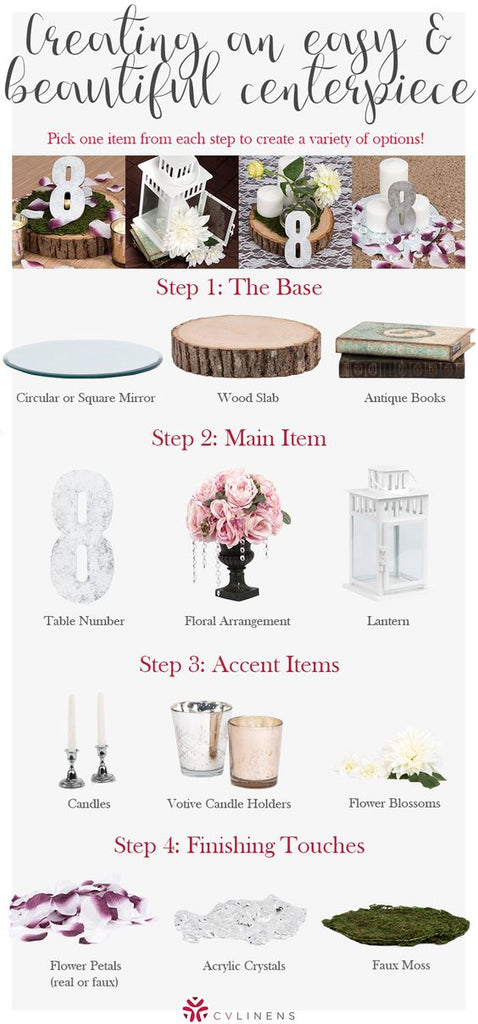
Step 1: Choose the Right Table Foundation
Your centerpiece sits at the heart of your table, so selecting the right linens is the first step. A smooth and wrinkle-resistant linen ensures your arrangement looks polished in photos and in person.
For most weddings, polyester tablecloths are a dependable choice because they are durable, affordable, and available in the full range of wedding colors. If you prefer a fuller table look, you can layer using textured toppers or subtle overlays to create depth beneath your centerpiece.
Step 2: Select Your Main Florals and Greenery
Florals are the most recognizable part of any wedding centerpiece. Real flowers work beautifully, but high-quality artificial pieces offer longer-lasting structure, consistent color, and easier prep before the event.
The artificial flower collection gives you options for roses, peonies, hydrangeas, and greenery that you can mix and match. Combine two or three flower types with a few stems of greenery to build a balanced arrangement that fits your wedding palette.
Step 3: Choose a Container or Base for Your Arrangement


The container you pick influences the shape, height, and overall mood of your centerpiece. Clear glass cylinders work well for modern weddings, while wooden boxes or lanterns fit rustic or garden themes.
Mirrors, risers, or minimal stands from the centerpiece collection can help add height variation to the table without blocking guests’ line of sight. The key is to choose a base that supports your florals and keeps the arrangement stable throughout the event.
Step 4: Add Details and Coordinate With Your Table Setting
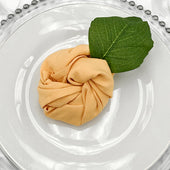
Once your florals and base are ready, the final step is adding subtle accents. Items such as candles, small clusters of greenery, or decorative napkin folds help bring your centerpiece together.
A coordinated place setting also enhances the final look. Pairing your design with simple, foldable styles from the napkins collection keeps your table unified and event ready. The combination of linens, florals, and accessories creates a cohesive table that feels complete without being overly decorated.
Additional Tips for Perfect DIY Centerpieces
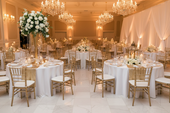
Keep the height in mind. Low centerpieces keep conversation comfortable, while tall arrangements work best for ballrooms or venues with higher ceilings. Test your arrangement on an actual table to see how it looks from all angles.
Transport your florals and bases separately if needed to avoid damage on the way to the venue. Building your centerpieces one day before the event ensures everything remains in top condition.
Frequently Asked Questions
How many centerpieces do I need for a wedding?
Most weddings require one centerpiece per guest table, plus a few extras for the welcome table, gift table, and sweetheart or head table. Preparing one or two additional backup centerpieces can help fill unexpected gaps. Having a few spares ensures the setup looks balanced even if the final layout changes.
Should I use real or artificial flowers for DIY centerpieces?
Both can work beautifully depending on your preference. Real flowers add fragrance and natural texture, while artificial flowers offer longer-lasting structure and easier preparation. Many couples mix both to achieve fullness without exceeding their floral budget.
How tall should wedding centerpieces be?
Centerpieces should either sit low enough for clear conversation or tall enough to remain above eye level. This keeps guests comfortable throughout the reception. Always test your height choices on an actual table to make sure the arrangement does not block views.
How do I keep my centerpieces from tipping over?
Use sturdy containers, balanced arrangements, and weighted bases when needed. Heavier vessels or floral foam inserts help stabilize the arrangement. Avoid placing heavy elements on just one side so your centerpiece stays evenly balanced.
What colors should I choose for my centerpieces?
Choose colors that match your wedding palette and table linens. Neutrals like ivory, blush, and greenery work well for most themes. If your wedding theme includes bold tones, balance them with softer neutrals to create a clean, visually appealing table.