Summary
Designing your event seating chart and layout goes beyond assigning tables. It’s about creating flow, comfort, and visual appeal. Whether you’re planning a wedding, gala, or birthday, thoughtful seating can make or break the guest experience. Use tools like round tablecloths, folding chair covers, and clear signage to guide guests effortlessly.
Our Products


Chair Caps
Chair Linens
Chair Sashes
Why Your Seating Chart Matters
Seating arrangements affect how guests interact, how photos turn out, and even how well your event flows. A good seating chart helps minimize traffic jams, gives the couple a nice view, and keeps groups seated comfortably.
The layout also plays a part. Are you using banquet, round, or long tables? How many guests do you expect? Once you have the basics, it’s time to plan strategically.
Types of Seating Layouts
Here are some popular event table layouts:
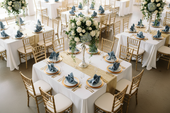
- Round Tables: Encourage conversation and are perfect for weddings. Seats 6 to 10 per table.
- Long Tables: Great for rustic or family-style events. Align end to end or in rows.
- U-Shape or Horseshoe: Ideal for meetings or parties with performances.
- Mixed Layouts: Combine table shapes to add visual interest or accommodate odd spaces.
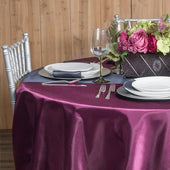
When deciding on tablecloths, match the shape and size. For round tables, consider 120” round polyester linens. For banquet tables, go with rectangle tablecloths that reach the floor or lap-length.
Tips for Designing Your Seating Chart
- Group strategically: Place families or friends together. Keep younger kids close to parents.
- Honor roles: Seat VIPs near the couple or main event stage.
- Balance the room: Avoid cramming too many people into one side.
- Leave space for servers and guests to move: Aisles of at least 2–3 feet work well.
Use visual seating chart software or printable templates to help you plan.
Displaying Your Seating Chart
Your seating chart display is also part of the decor. Try these ideas:
- Easel with printed poster: Clean and timeless.
- Framed mirror or acrylic board: Write with markers for a sleek look.
- Escort cards on a linen-covered table: Add florals or candles for a romantic touch.
If you’re using florals, complement them with artificial flower panels or greenery for depth.
Linens and Decor for Layouts
To tie everything together, consider:
-
Chair sashes to color-code sections or add flair
-
Sequin tablecloths for the head or sweetheart tables
-
Table runners for long tables or dessert stations
-
A bold red tablecloth to anchor your design and add a vibrant, cohesive base to your layout
These layers help define zones while elevating your theme.


Common Mistakes to Avoid
- Waiting too long to finalize the chart
- Overfilling tables
- Not having a backup seating chart for unexpected guests
- Forgetting to confirm venue spacing
Plan early and double-check measurements, especially if you’re bringing in your own linens or furniture.
When planning your reception setup, adding chair covers for wedding can help create a polished, cohesive look.
FAQs
How far in advance should I create my seating chart?
Aim to finalize it 1–2 weeks before your event. This allows time for last-minute changes and printing.
How do I make sure my layout works for the space?
Get the venue’s floor plan and measure your tables and chairs. Mock up the space digitally or use masking tape to outline setups.
Do I need a seating chart for casual events?
It’s helpful if you want to ensure specific groups sit together or avoid crowding. For informal events, just label tables or leave open seating signs.