Summary:
A well-designed backdrop sets the tone for your entire event. This updated guide explains how to decorate a backdrop using simple steps, practical techniques, and versatile décor combinations. It also includes ideas for layering fabrics, florals, and lightweight props so you can create a polished focal point for weddings, birthdays, and celebrations.
Our Products


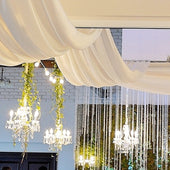
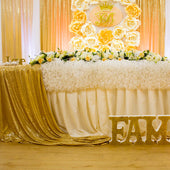
Backdrop and Drapes
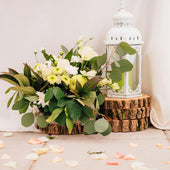
Greeneries
Backdrop Lightings
Start With the Right Base
Every successful backdrop begins with a stable frame. Adjustable stands make it easier to customize the height and width, especially for photo areas and sweetheart tables. A sturdy option like a pipe and drape stand supports multiple layers of décor without bending or shifting. Whether outdoors or indoors, the right base ensures your backdrop stays secure throughout the event.
Choose Your Main Fabric
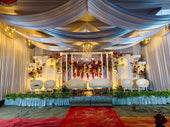
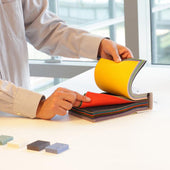
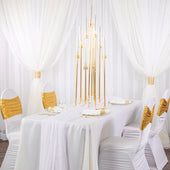
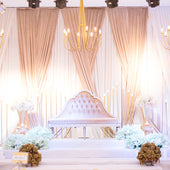
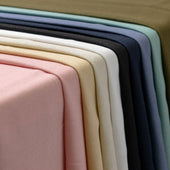
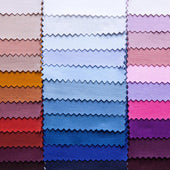
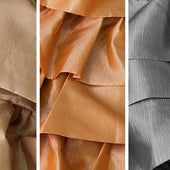
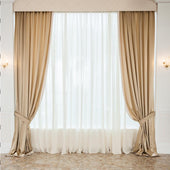
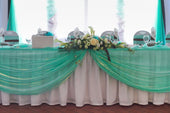
The primary layer of draping sets the mood for your design. Soft, flowing polyester and sheer materials are popular choices for romantic setups. You can find a range of colors and textures within the event draping fabric collection. For richer tones or accent layers, cut fabric from fabric rolls and tie or gather them to add dimension.
Add Structural Layers
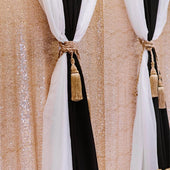
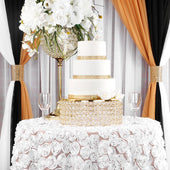
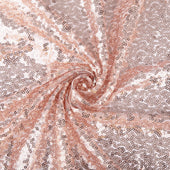
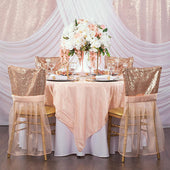
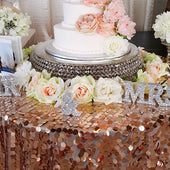
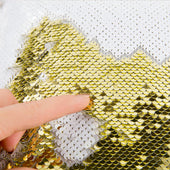
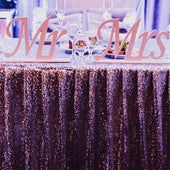
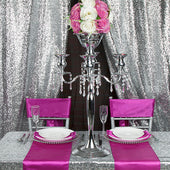
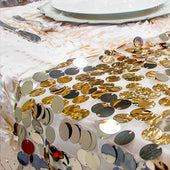
To build visual depth, layer fabrics of different textures or shades. For themed events, introduce a contrasting color or a soft shimmer. Lightweight shimmer backdrops, such as sequin wall panels, add highlights that catch light without overpowering your primary fabric. Keep layers even and balanced so the design looks full and intentional.
Incorporate Greenery and Florals
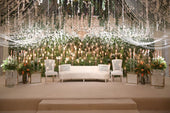
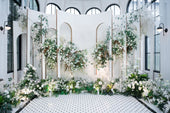
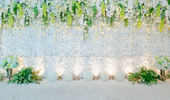
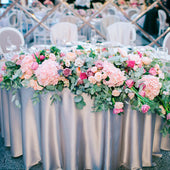
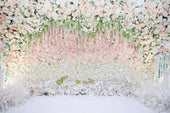
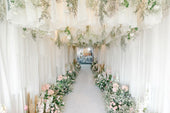
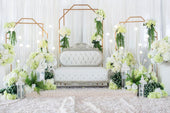
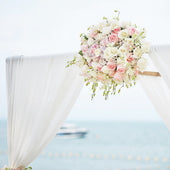
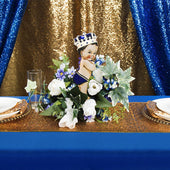
Greenery softens the look of a backdrop and adds a natural touch. Use garlands and vine-like pieces from the greenery collection to frame edges or weave them into drape folds. If you prefer fuller floral coverage, mount panels from the silk flower wall collection to create a lush garden effect. These layers bring color and volume to your backdrop without requiring fresh florals.


Enhance With Decorative Accents
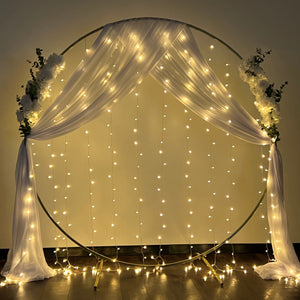
Once the foundation is set, small decorative accents help personalize the design. Neon designs bring a modern touch and highlight names, quotes, or event themes. For a soft glow, add strands from the backdrop lighting collection to brighten edges or highlight certain sections. Keep your accents lightweight so they do not pull on the fabric.
Add Height and Shape With Props
Props help define the overall silhouette of your backdrop. Shapes such as arches or round frames add structure, especially for intricate designs. These can be used alone or layered behind fabric to create height and variation. For balloon-heavy setups, use tools from the balloon supplies collection to build borders or frame corners.
Match the Backdrop With the Rest of Your Decor
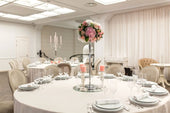
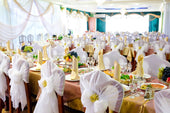
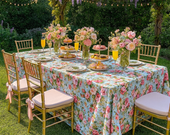
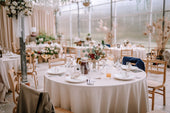
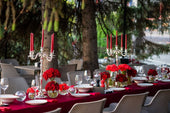
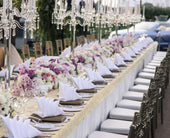
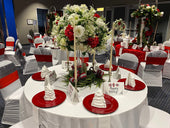
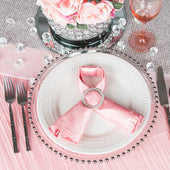
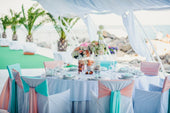
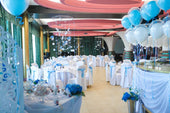
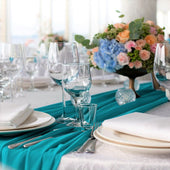
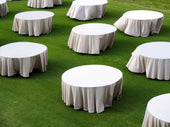
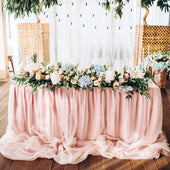
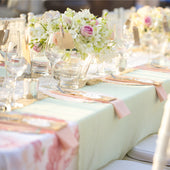
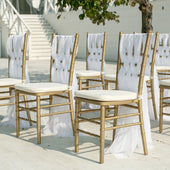
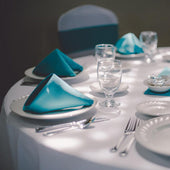
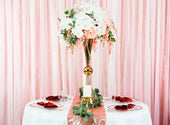
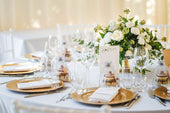
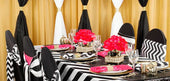
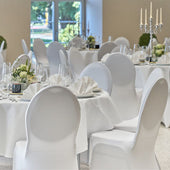
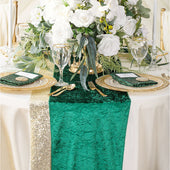
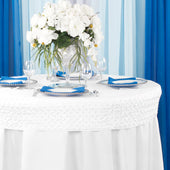
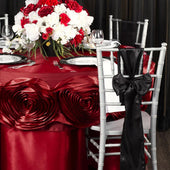
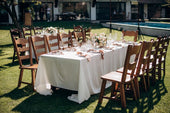
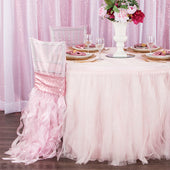
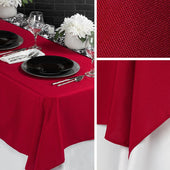
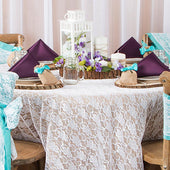
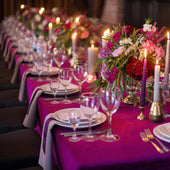
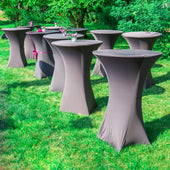
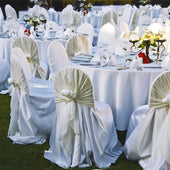
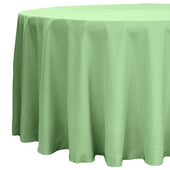
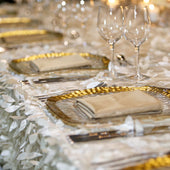
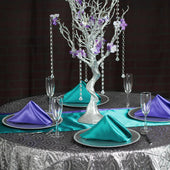
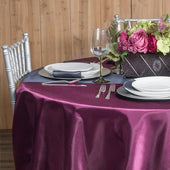
A backdrop looks best when it complements the tables and seating in the venue. Smooth linen bases, such as polyester tablecloths, create a clean look that ties the entire setup together. Matching colors or textures between your backdrop and linens helps create balance and cohesion across the space.
Keep It Functional and Event Ready
After finishing your design, step back and check stability, spacing, and visibility. Make sure the stand remains secure once all layers and accents are attached. Keep the design shallow enough for guests to move around it comfortably. With the right mix of fabric, greenery, and accents, your backdrop becomes a polished focal point for photos and events.
Frequently Asked Questions
How do I choose the best backdrop style for my event?
Start by identifying your theme and venue. Romantic events often use soft draping, while modern setups may feature clean lines and minimal props. Choosing colors that match your linens and centerpieces helps keep the event cohesive.
How do I keep a backdrop stable?
A stable frame, balanced draping, and weighted bases help prevent tipping. You can also secure fabric tightly and reinforce corners. For outdoor events, sandbags or ground weights help maintain stability.
Can I mix multiple fabrics in one backdrop?
Yes, mixing fabrics creates depth and interest. Use different textures or shades for contrast. Just keep the layers balanced so the design looks polished.
How high should a backdrop be?
Most backdrops range from seven to ten feet tall. This height works for most venues and photo areas. Adjust the height to match your ceiling clearance.
What accents work well on backdrops?
Greenery, florals, small lights, and signage are popular options. Lightweight accents are easier to attach and maintain. Choose pieces that fit your overall theme and color palette.