Summary
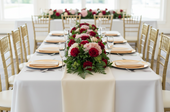
You can protect a dining table without using a full tablecloth by combining targeted surface protection with thoughtful décor. Options like runners, placemats, chargers, overlays, and glass covers help prevent scratches, heat damage, and spills while still keeping the table visible. The best solution depends on the setting, level of traffic, and whether the table is used for daily meals or special events. When selecting table linens and accessories, consider how each piece balances protection with your desired aesthetic.
Our Products


Placemats
Charger Plates
Table Runners
Quick Answer
- Yes, a dining table can stay protected without a tablecloth.
- Use placemats for heat and spills, runners for center coverage, chargers for plate protection, or glass covers for full-surface defense.
- For events, layering décor pieces often provides enough protection while maintaining a styled look.
Why Tables Need Protection Even Without Cloth Coverage
Dining tables face constant wear from:
- hot dishes and serving trays
- spills and condensation
- scratches from plates or décor
- sunlight or humidity exposure
Without protection, finishes can fade, wood can warp, and surfaces can develop permanent marks. This matters not only in homes but also in busy venues, restaurants, and event spaces where tables are used repeatedly.
Because of this, planners and homeowners often rely on partial-coverage décor instead of full cloths to balance visibility and durability.
Best Ways to Protect a Dining Table Without a Tablecloth
1. Use Placemats for Heat and Spill Protection
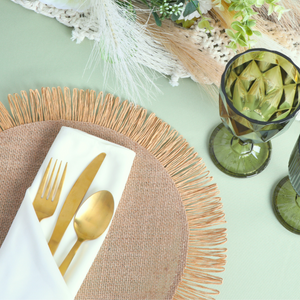
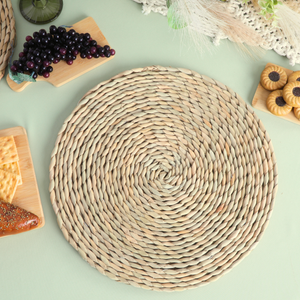

Placemats create a barrier between dishes and the table surface. They are especially useful for:
- hot plates and bowls
- drink condensation
- everyday meals
For casual dining or high-traffic environments, durable materials prevent scratches while keeping cleanup simple. In event settings, coordinating placemats with surrounding décor can maintain a styled look without covering the entire table.
2. Add a Runner to Shield the Center Surface


A runner protects the portion of the table most exposed to:
- serving dishes
- centerpieces
- decorative accents
This makes runners practical for family gatherings, banquet tables, and buffet setups where the center receives the most contact. Layering décor over a runner also reduces friction directly on the table surface, which helps preserve finishes during long events.
3. Place Chargers Beneath Plates to Prevent Scratches


Chargers act as a protective base between dinnerware and the table. They help:
- distribute plate weight
- reduce scraping movement
- catch minor spills
4. Try Decorative Overlays for Partial Coverage


Overlays provide targeted protection while keeping most of the table visible. They work well when:
- Full tablecloths feel too formal
- The table design should remain visible
- Only certain areas need coverage
This approach is common in styled receptions and photo-focused table settings, where layered textures protect surfaces while enhancing the overall look.
5. Install a Glass Table Cover for Full Visibility and Defense
A clear glass cover offers the most complete protection without hiding the table. It shields against:
- Scratches
- Heat marks
- Spills
- Moisture damage
Glass is often used in restaurants, rental venues, and frequently used dining rooms because it allows fast cleaning and long-term durability. However, it provides less flexibility for changing décor styles compared to removable linens or accents.
Choosing the Right Protection Based on the Setting
Everyday Home Dining
Daily meals usually require heat resistance and easy cleanup. Placemats or a simple runner often provide enough protection without adding extra maintenance.
Outdoor Gatherings and Warm Climates
Heat, sunlight, and humidity increase the risk of surface damage. Layered protection, such as placemats combined with runners, helps prevent fading and warping during long outdoor meals or backyard celebrations.
Restaurants and High-Traffic Venues
Frequent turnover demands durable, low-maintenance protection. Glass covers or reusable protective layers keep tables consistent while reducing replacement costs over time.
Weddings and Formal Events
Presentation becomes a priority alongside protection. Combining decorative elements like chargers with coordinated runners or overlays allows planners to protect tables while maintaining a refined visual design that photographs well in ballrooms, reception halls, and styled venues.
Find the perfect foundation for weddings, parties, and special occasions in our collection of wholesale tablecloths.
Climate and Material Considerations
Real-world conditions often determine the best solution:
- High humidity can soften wood finishes, making layered protection important.
- Strong sunlight may fade exposed surfaces without coverage.
- Heavy décor or centerpieces increase scratch risk on uncovered tables.
- Quick venue turnover favors removable, easy-clean protection.
Because of these factors, many event professionals rely on flexible layering instead of a single solution.
When a Tablecloth Still Makes Sense
Even with alternatives available, full table coverage remains useful when:
- maximum spill protection is needed
- tables are heavily worn or mismatched
- fast visual transformation is required
- events demand uniform styling across many tables
In large receptions or banquets, complete coverage often simplifies setup while ensuring consistent presentation.
Practical Layering Strategy Used by Event Planners
Professionals rarely depend on just one protective item. Instead, they combine:
- base surface protection
- decorative layering
- removable accents
This method keeps tables safe while allowing designs to adapt across different venues, guest counts, and event styles without permanent changes to the furniture.
Final Thoughts
Protecting a dining table without a tablecloth is completely possible with the right combination of targeted coverage and thoughtful décor. Placemats guard against heat and spills, runners shield high-contact areas, chargers reduce scratches, overlays add flexible coverage, and glass covers provide full protection with visibility.
The best approach depends on how the table is used, the surrounding environment, and the level of presentation required. By matching protection methods to real event conditions or daily dining needs, tables can remain both durable and visually appealing over time.
Frequently Asked Questions
What is the best way to protect a wood dining table daily?
Placemats are usually the most practical solution. They prevent heat marks, catch spills, and reduce scratches while remaining easy to clean and replace.
Can chargers really protect a table surface?
Yes. Chargers create a buffer between plates and the table, helping prevent scraping damage and minor spills during meals or events.
Is a glass cover better than placemats?
Glass provides full-surface protection and easy cleaning, but it limits styling flexibility. Placemats and runners offer more decorative freedom while still protecting key areas.
How do you protect a table during outdoor parties?
Layering protection works best. Using placemats with a runner helps guard against heat, sunlight, and moisture during long outdoor gatherings.
Do you always need a tablecloth for formal events?
Not always. Many formal settings rely on layered décor like chargers, runners, and overlays to protect tables while keeping the surface partially visible for design impact.